
- Duration of the procedure: 45–60 minutes
- Anaesthesia: local or general anaesthesia
- Discharge: usually the same day
- Returning to work or school: within 3–7 days
- Price: from €2,500
Otoplasty (ear surgery)
Otoplasty corrects protruding or irregularly shaped ears, creating a natural-looking, balanced result that complements the facial features.
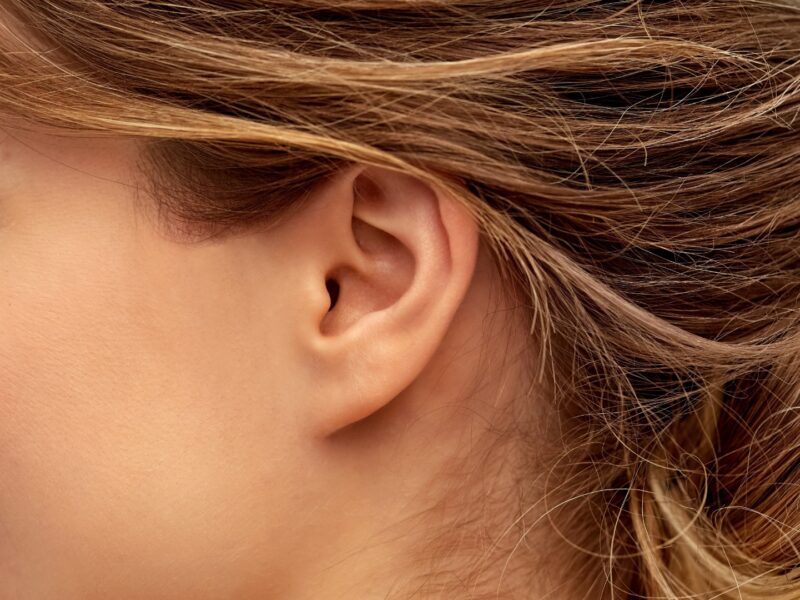
Otoplasty (ear surgery)
Purpose of the procedure
Ear surgery, or otoplasty, is an aesthetic procedure used to correct protruding or irregularly shaped ears. The aim is to create a natural, balanced appearance and improve confidence. Ear shape is mostly determined by genetics. The most common reasons for ear correction are an underdeveloped antihelical fold or overly flexible cartilage. The procedure is suitable for both adults and children from the age of six.
Course of the procedure
The ear is reshaped either by carefully sculpting the cartilage or by securing it with internal sutures. The two techniques are often combined to achieve a natural-looking, stable result. Both ears are usually corrected during the same operation to achieve the best possible symmetry. The procedure lasts approximately 45–60 minutes, and patients can usually go home the same day.
Course of the procedure
The improvement is visible once the initial swelling has subsided. The scars are positioned behind the ears and are barely noticeable. The result is permanent. The cartilage retains its new shape over time, while the scars gradually fade.
Before-and-after results
View before-and-after photographs from a range of cases to see changes in the position and shape of the ears.
Consultation and preparation
During the consultation, Dr Simmo will assess the shape and anatomy of the ears and the elasticity of the skin to determine the most suitable surgical method. How to prepare for your consultation
Anaesthesia
The operation is performed under local or general anaesthesia.
General anaesthesia is used for children, while adults are usually treated under local anaesthesia.
The most suitable option and the potential risks will be discussed during the consultation.
An elastic bandage should be worn for seven days after the operation. After this, a soft headband should be worn at night for a further two to three weeks to support healing. Pain is usually moderate and can be managed with standard painkillers. You can usually return to work or school within three to seven days, depending on your recovery. Strenuous physical activity and sport should be avoided for two to four weeks. Should redness, discharge or swelling cause concern, take a photograph and send it to the clinic. The doctor will advise you on what to do next.