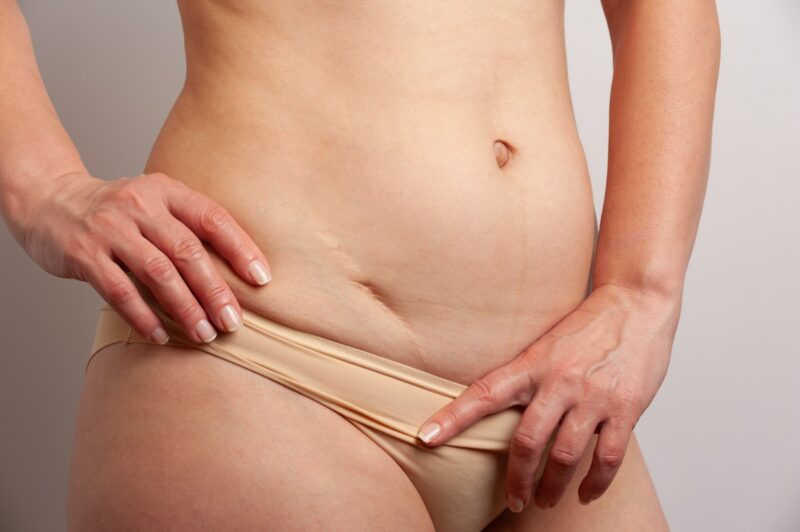
The aim of scar revision is to improve the scar’s appearance and make it as inconspicuous as possible while preserving the skin’s natural movement and elasticity. The procedure is suitable for thickened, widened or indented scars that have formed after a previous wound and either cause aesthetic concern or restrict movement. Dr Simmo takes an individual, thorough approach, assessing the condition of the skin, the age of the scar and its effect on the patient’s wellbeing and everyday comfort. “Every scar tells a story, but modern surgery can turn it into a subtle reminder rather than a prominent mark.” – Dr Simmo
The most suitable scar revision method depends on the scar’s type, depth and location. Common options include:
- Surgical scar revision – the old scar is removed and the skin is closed more precisely to achieve a finer, more even result
- Laser treatment or dermabrasion – suitable for smoothing the skin surface and evening out skin tone
- Steroid injections or other injectable treatments – used to soften hypertrophic and keloid scars
The procedure takes 30–90 minutes and is performed under local anaesthesia in most cases. A combined approach, such as surgical revision followed by laser treatment, can produce the best result.
During the consultation, Dr Simmo will assess the scar’s size and location and the condition of the surrounding tissues. Together, you will discuss which option will produce the best result, whether surgical revision, injectable treatment or a non-invasive procedure. The doctor will also explain the healing process, the expected position of the revised scar and the final appearance. How to prepare for your consultation
Scar revision is performed under local anaesthesia in most cases. More extensive or combined procedures are performed under general anaesthesia. Anaesthesia ensures that you will not feel any pain during the procedure.
Mild redness and swelling can occur after the procedure and subside within a few days. The stitches are usually removed after five to ten days. During recovery, it is important to:
- Use scar care products, such as silicone gel or silicone sheets
- Protect the area from direct sunlight for two to three months
- Keep the area clean and moisturised
The final result develops over three to six months as the skin tone and texture become more even and the scar becomes paler and smoother.
Common reactions include mild swelling, redness and temporary sensitivity. In rare cases, excessive thickening of the scar tissue can occur, but this can be treated with injections or laser therapy. The patient receives written instructions on wound care and follow-up.